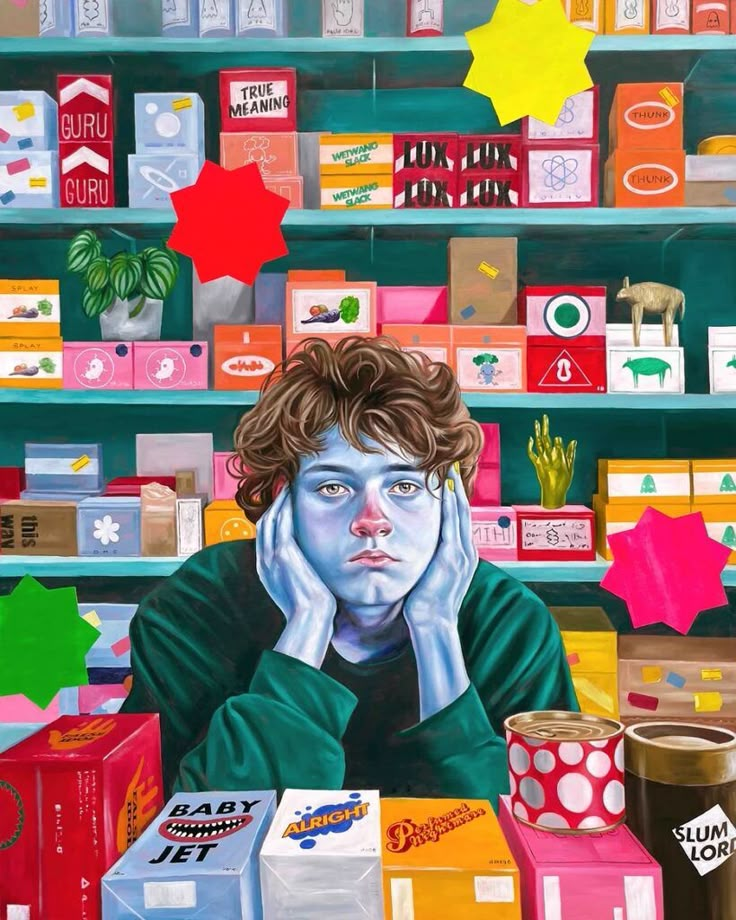
Poetic Justice of Influencing
Exploring the ironic or karmic consequences within the Influencer culture.
In the theater of social media, where carefully curated lives play out in perfectly filtered frames, we are witnessing a dramatic transformation that feels almost Shakespearean in its irony. The influencer economy—once hailed as the democratic revolution of marketing, where anyone with a smartphone could build an empire—is experiencing its own poetic justice. The very forces that enabled its meteoric rise are now orchestrating its most profound reckonings.
The House of Cards shaking to the ground
The numbers tell a story of both unprecedented growth and mounting instability. Influencer marketing exploded into a $32.55 billion industry in 2025 (up 35% from 2024), yet paradoxically, we're watching a cultural backlash over authenticity, undisclosed AI content, and high-profile Instagram scandals that read like modern fables about trust and attention. This contradiction embodies the essence of poetic justice—success built on shaky foundations inevitably invites its own undoing.
The economic turbulence of 2025 has exposed the fragility of influencer culture in ways that feel almost karmic. Seesawing tariffs and turbulent financial markets are playing out on social media feeds, impacting the multibillion-dollar influencer industry in what could be a new recession indicator. Those who built careers promoting lifestyle aspirations and conspicuous consumption now find themselves facing backlash over lavish lifestyles in tough times as followers push back against tone-deaf displays of wealth.
The Desi Paradox: Scale meets Scrutiny
India's influencer landscape presents perhaps the most compelling example of poetic justice in action. As home to 1.4 billion people and a rapidly digitizing economy, India has become a crucial battleground for influence. Yet the very scale that made it attractive has also made it a target for unprecedented regulatory scrutiny.
ASCI flagged over 700 such ads between April and August 2024, prompting the removal of many following government intervention. The regulatory crackdown isn't just bureaucratic housekeeping—it's a systematic dismantling of the opaque practices that allowed influencer culture to flourish unchecked. The Indian government's consideration of classifying social media creators as 'digital news broadcasters' represents a fundamental challenge to the informal, unregulated nature that made influencing attractive in the first place.
The irony is palpable: Indian influencers who built followings by circumventing traditional media gatekeepers now face the prospect of government registration and oversight. Prajakta Koli, popularly known as MostlySane, is India's leading social media influencer for 2024, yet even top creators operate in an increasingly surveilled environment where social media platforms like Instagram have become hotspots for such promotions, exposing influencers to legal and reputational risks.
What makes a Digital Downfall?
Perhaps nowhere is poetic justice more evident than in the mental health crisis plaguing influencers themselves. The typical burnout of influencers can result in disorders ranging from anxiety to depression, but also problems with food and one's identity. The very pursuit of perfection, engagement, and constant content creation—the engines of influencer success—have become their psychological prison.
This represents a profound form of poetic justice: those who sold the dream of effortless success and perpetual happiness are themselves struggling with the mental health consequences of living in the public eye. The algorithm that rewards constant engagement has created a generation of creators trapped in an endless cycle of performance, where authenticity—the supposed foundation of influence—becomes impossible to maintain.
The Great Awakening
The most striking aspect of this poetic justice is how audiences themselves have become the agents of reckoning. TikTok and Instagram users are pushing back against influencers in the comments, creating a grassroots rebellion against the very content they once consumed eagerly. This isn't just criticism—it's a fundamental shift in the power dynamic that made influencing possible.
The backlash reflects a maturation of digital literacy. Audiences are increasingly sophisticated in recognizing manipulation, understanding the economics of influence, and demanding transparency. Organized around six key themes—Harmful Products, Misinformation, Unrealistic Beauty Standards, Comparison Culture, Deceptive Consumption, and Privacy Concerns, the critique of influencer culture has become systematic and comprehensive.
The False Prophecy of Originality: AI disrupted
The emergence of AI influencers adds another layer to this poetic justice narrative. By 2026, 30% of influencer marketing budgets will shift toward virtual influencers, according to Gartner projections. The irony is exquisite: an industry built on the promise of authentic human connection is increasingly turning to artificial personalities who can never experience the burnout, controversy, or authentic moments that make humans compelling.
This shift exposes the hollow core of much influencer content. If virtual influencers can effectively replace human ones, what does that say about the authenticity that was supposedly their greatest asset? While AI influencers offer new creative opportunities, brands must balance innovation with transparency to maintain credibility—yet this very need for transparency in AI relationships highlights the lack of transparency in human influencer relationships.
The Institutional Response: When Guardians Emerge
The poetic justice becomes even more pronounced when examining institutional responses. The author argues for an industry in which unethical behavior is punished; professional expectations, pay, and desired outcomes are standardized; and creators are given the same rights and protections as other professional marketers. This represents a fundamental transformation from the Wild West of early influencer culture to something resembling traditional employment structures.
The institutionalization of influencing is perhaps the ultimate poetic justice—the democratizing force that was supposed to liberate creators from corporate structures is now demanding those very structures for protection and legitimacy. In 2025, brands treat influencers like business partners, not just ad placements, but this partnership comes with the constraints and expectations of traditional business relationships.
Welcome to the Dark Side
It's essential to recognize the harmful effects of influencer culture, including its role in perpetuating consumerism and generating excessive waste. The environmental and social costs of influence-driven consumption represent a form of delayed karmic justice. The culture that promoted endless acquisition and lifestyle aspiration is now confronting the sustainability crisis it helped create.
The psychological harm extends beyond creators to audiences. Unrealistic Beauty Standards, Comparison Culture, Deceptive Consumption have created what researchers describe as a mental health epidemic among young people. The very content designed to inspire and entertain has become a source of anxiety and inadequacy for millions.
The Scandalous Fall of Digital Titans
The year 2024-2025 has been particularly rich in influencer scandals, each one illustrating different aspects of poetic justice. Specific individuals who are influencers and are of white ethnicity have faced allegations of using less privileged groups to boost their own public image and personal brand. These controversies reveal the exploitative dynamics that often underpin influencer success.
Beauty influencer Emma Roberts faced severe backlash after posting insensitive TikTok videos about mental health. The controversy led to the trending hashtag #EmmaRobertsIsOverParty and caused a 35% drop in her sponsor's sentiment score. Such incidents demonstrate how quickly the audience loyalty that builds influencer careers can evaporate when authentic character is revealed.
Check that Number, though: The Economic Reality Check
Influencer marketing as an industry is valued at $24 billion in 2024. Over 60% of brands work with more than 10 influencers, and 14% of those work with over 1,000 influencers. Yet this growth has created oversaturation and diminishing returns. The market that once promised riches to anyone with followers now struggles with authenticity, effectiveness, and sustainable business models.
The poetic justice lies in how success bred its own failure. As more people became influencers, the scarcity value that made early creators valuable disappeared. The democratization that was supposed to benefit everyone ended up creating a crowded marketplace where most struggle to earn meaningful income.
Global Configuration, Local Consequences
The challenges facing Indian influencers mirror global trends while carrying unique cultural weight. CarryMinati, known for his roast videos, often stirs backlash for his edgy content, illustrating how content strategies that build audiences can also create vulnerability. The balancing act between engagement and responsibility becomes more precarious as audiences become more discerning and regulators more active.
Virtual influencers made their presence felt throughout 2024 in India as well, creating questions about authenticity and trustworthiness that parallel global concerns. The rapid adoption of AI in Indian marketing represents both opportunity and threat to human creators who built careers on their authentic cultural perspectives.
So, What's next? - Redemption or Ruin?
The poetic justice of influencing doesn't necessarily mean its doom—it might mean its evolution. The current reckonings could lead to a more sustainable, ethical, and psychologically healthy influencer ecosystem. The institutions, regulations, and audience sophistication emerging from these challenges might create a second generation of influence that learns from the mistakes of the first.
However, the fundamental contradictions remain. Can an industry built on constant content creation and personal branding ever truly prioritize creator wellbeing? Can authentic human connection coexist with algorithmic optimization? Can influence remain democratic while accepting institutional oversight?
The Final Verdict
The poetic justice of influencing doesn't necessarily mean its doom—it might mean its evolution. The current reckonings could lead to a more sustainable, ethical, and psychologically healthy influencer ecosystem. The institutions, regulations, and audience sophistication emerging from these challenges might create a second generation of influence that learns from the mistakes of the first.
However, the fundamental contradictions remain. Can an industry built on constant content creation and personal branding ever truly prioritize creator wellbeing? Can authentic human connection coexist with algorithmic optimization? Can influence remain democratic while accepting institutional oversight?


